
"Ethiopian arabica"
2000 article(s) found

Ethiopian coffee variety brand flavor description taste treatment grinding scale
Ethiopian coffee category brand flavor description taste treatment grinding scale washing Ethiopian wild djimmahjima mocha coffee, wild appearance below, is gentle heart; it is indeed a relatively high quality low acidity coffee. Sidamo sidamo Ethiopia Sidamo is a type of single origin that grows in Arabica coffee in the Sidamo province of Ethiopia. Vs.

Differences in Taste and shape of Arabica Coffee Bean varieties
Professional coffee knowledge exchange more coffee bean information please follow the coffee workshop (Wechat official account cafe_style) there are three kinds of coffee beans in the world there are only two kinds of coffee beans that are really commercially valuable and have been planted in large quantities. One is the Elaraby species (ARABICA), and the other is the Robasta species (KOBUSTA). Different varieties of coffee beans have different flavors.

Starbucks Ethiopian Coffee
Following Cafe Review (Wechat official account vdailycom) found that Beautiful Cafe opened a small shop of its own Ethiopian Coffee Story: Arabica coffee beans have been popular all over the world since the 19th century. Now our coffee roaster has created a new way to lead us to better taste this precious coffee bean. This comprehensive coffee is mild and smooth, with floral and floral aromas.
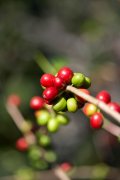
Ethiopian coffee producing area introduces fine coffee Yega Xuefei and Sidamo water washing and sun treatment.
Ethiopia is one of the major producers of Arabica coffee in Africa, producing the best Arabica coffee in the world. It is said that coffee was first discovered by shepherds in Essekafa, and the name of coffee evolved from Kafa, so Ethiopia is still coffee. Ethiopia is an African Arab coffee.

The main estate of Ethiopian coffee beans, Yega Xuefei coffee flavor.
Ethiopia is an important coffee producer with about 12 million people engaged in coffee production and is a major exporter of Arabica coffee beans in Africa. The high-quality coffee here is of excellent quality and is worth looking for. A variety of coffee cultivation methods can be found in Ethiopia: from wild coffee forests and semi-developed land to traditionally operated plots of land to modern plantations.

Is Africa rich in coffee beans? why are African coffee beans so popular?
Professional coffee knowledge exchange more coffee bean information please follow the coffee workshop (Wechat official account cafe_style) of all the coffee-producing countries, Ethiopia may be the most eye-catching one, in addition to the unique and outstanding coffee produced in the country, the local coffee mystery legend adds charm. According to the ancient legend of Egypt, the first coffee tree on earth landed on Lake Tana.

Ethiopian Yega Sheffield Coffee is Yega Sheffield Coffee good? Yega Sheffield Coffee Flavor
Professional coffee knowledge exchange more information about coffee beans Please follow the coffee workshop (official Wechat account cafe_style) is famous for its sweet taste and aroma, light and medium-bodied wine. Ethiopian Yirgacheffes is a spicy and fragrant coffee that is often rated as the best Arabica coffee in the world. Their high reputation also means that their prices are high, but even if

Flavor description method of Ethiopian Coffee Variety Manor
Flavor description of Ethiopian Coffee Variety Manor area Taste treatment Ethiopian Sidamo is a type of single origin that grows in Arabica coffee in Sidamo Province, Ethiopia. Like coffee in most African countries, Ethiopian Sidamo is characterized by small gray beans, but characterized by its rich, spicy, wine or chocolate-like taste and floral aroma. In

The Origin and Development of Xidamo Solar Yega Snow Coffine in Ethiopia
Follow the caf é (Wechat official account vdailycom) found that the beautiful cafe opened its own shop to sun Yega snow coffee, beans are small and neat in short round shape, Ethiopian sun beans are generally G3--G5, but this bean is G2, equal to the grade of water-washed beans, although there are still a few defective beans, but compared with Harald and Sidamo sun beans, it is commendable Yi

Ethiopian Coffee introduces the characteristics of Fine Coffee beans in Manor producing area
In February 1977, Lieutenant Colonel Mengistu Haier Maryam (MENGISTU HAILE MARIAM) launched a military coup and served as Chairman of the interim military Administrative Council and head of State. In 1979, the Ethiopian Labor people's Party Organization Committee, dominated by soldiers, was established to implement an one-party system. In 1984, the Ethiopian Workers' Party was formed according to the Soviet Communist Party model. Mengistu, September 1987
Flavor description of Ethiopian Sidamo Coffee Sidamo Coffee is good?
For more information on coffee beans, please follow Coffee Workshop (Wechat official account cafe_style) Ethiopian Sidamo Coffee. This is a washed Ethiopian coffee known for its rich taste, sweet and complex taste, low acidity, floral aroma and a bright and soft finish. Growth altitude: 1500-2220 m above sea level Arabica varieties

Flavor description of Ethiopian Harald coffee beans taste characteristics of Ethiopian coffee beans
For more information on coffee beans, please follow Coffee Workshop (Wechat official account cafe_style) Harrar, a wild Arabica growing up on small farms 1400-2000 meters above sea level in the Oromia area (formerly Harrar). It is a typical natural processing. Harrar is famous for its rich taste and acidity. Rich in taste, with intense blueberries or

Ethiopian coffee washed yejia sherbet
Ethiopia is an important coffee producer, with about 12 million people engaged in coffee production and is Africa's leading exporter of Arabica coffee beans. The quality of coffee here is excellent and worth looking for. Coffee cultivation in Ethiopia can be found in a variety of ways: from patches of wild coffee groves and semi-developed land, to small plots of traditional management, to modern plantations, where coffee is grown in a variety of ways.

Introduction to the main producing areas of Ethiopian coffee Harar producing area, southwest Djim
Sidamo Gedeo District, Sidamo Province Today Ethiopia is an important coffee producer with approximately 12 million people engaged in coffee production and is Africa's leading exporter of Arabica coffee beans. The quality of coffee here is excellent and worth looking for. A variety of coffee cultivation methods can be found in Ethiopia: from patches of wild coffee trees and semi-developed land,

Ethiopian coffee plantation with unique quality and moderate pH
Harar Coffee is produced in the eastern highlands of Ethiopia. It is medium bean-shaped and large

Ethiopian Yega Xuefei Coffee in the Harar producing area in the East introduces the boutique.
Today, Ethiopia is an important coffee producer, with about 12 million people engaged in coffee production and a major exporter of Arabica coffee beans in Africa. The high-quality coffee here is of excellent quality and is worth looking for. A variety of coffee cultivation methods can be found in Ethiopia: from wild coffee forests and semi-developed land
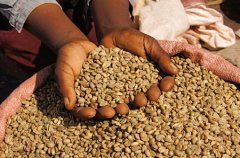
Ethiopian boutique coffee introduces Ethiopian boutique coffee taste Ethiopian coffee
Ethiopia is one of the major producers of Arabica coffee in Africa, producing the best Arabian coffee in the world. It is said that coffee was first discovered by shepherds in Essekafa, and the name of coffee evolved from Kafa, so Essex is still the hometown of coffee. The geographical environment of coffee production and processing is very suitable for coffee growth. Coffee is mainly cultivated.

African Ethiopian Coffee producing area Yega Chuefei Coffee area introduction to Yega Snow Coffee Gediyo Yega
Today, Ethiopia is an important coffee producer, with about 12 million people engaged in coffee production and a major exporter of Arabica coffee beans in Africa. The high-quality coffee here is of excellent quality and is worth looking for. A variety of coffee cultivation methods can be found in Ethiopia: from wild coffee forests and semi-developed land

Description of the flavor characteristics of Ethiopian coffee beans the difference between Essex plus Xuefei and Guji Coffee
For more information on coffee beans, please follow the coffee workshop (Wechat official account cafe_style) Ethiopia is currently the largest coffee producer in Africa, but only 60% of the coffee beans are exported, and the rest are used in various forms of ceremonies, such as weddings.

Introduction to the methods of variety treatment in Ethiopian coffee flavor description and grinding degree production area
Washed coffee accounts for 35% of exports. Good quality washed coffee is processed with freshly picked fully ripe fruit, picked carefully and closely monitored by professionals. The picked clean coffee beans are pulped on the day of picking, then fermented, washed, dried and peeled. The humidity of processed coffee beans is kept at about 12%. Sun-cured coffee accounts for 65% of exports. Mainly by